
Advance Care Centre For Endovenous Laser Ablation
What are Varicose Veins?
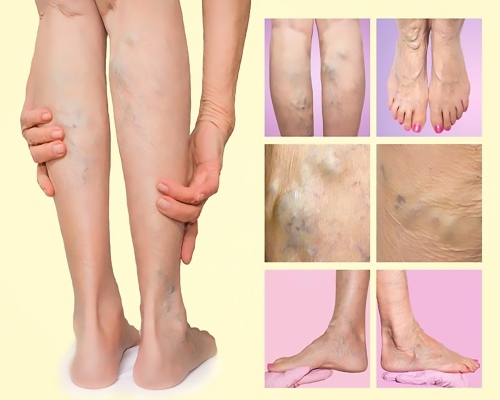
Varicose veins are twisted and swollen veins, which often appear to be blue or purple. They happen when faulty valves in the veins cause the blood to flow in the wrong direction or to collect at the wrong places. Statistics have discovered that at least 23% adults suffer from varicose veins.
While any superficial vein may be varicosed, but the veins most affected are those in your legs, especially if you are prone to standing for long hours. This can increase the pressure on the veins in the lower body.
What are the common causes of Varicose Veins?
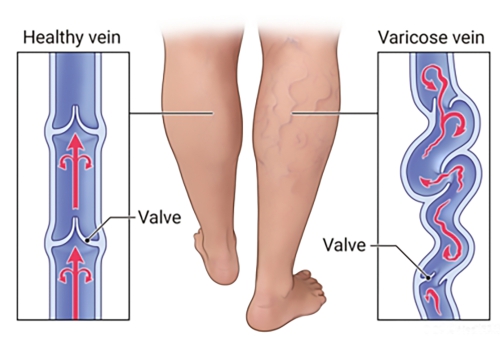
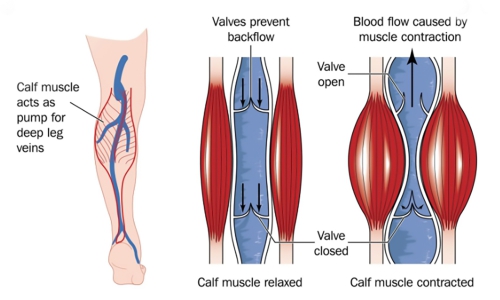
It is common knowledge that the arteries carry oxygenated blood from the heart to the rest of the organs, and the veins carry the deoxygenated blood from the rest of the body back to the heart. For the veins in the legs to do their function effectively, they need to work against gravity.
For the same, the muscle contractions in the legs act as pumps and the elastic vein walls help blood return to your heart. The veins contain valves which open when blood enters them and then close to prevent the blood from flowing backwards. If these valves get damaged or become weak, then they cannot stop the blood from moving back and pooling in the vein. This causes unwanted stretching and twisting of the veins.
Symptoms of Varicose Veins
- Dark purple or blue veins
- Twisted or bulging veins (veins that looks like ropes in the body).
- Achy or heavy feeling in the legs particularly in the evenings.
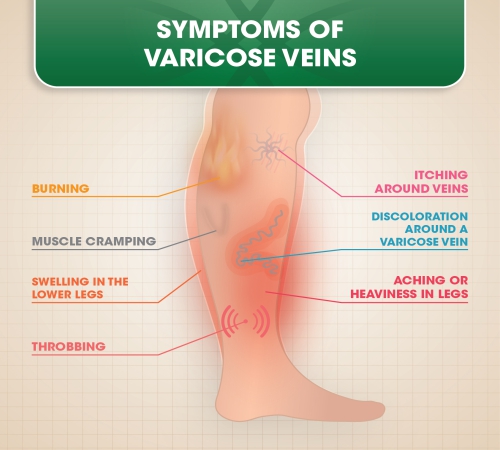
- Burning, throbbing, cramping and swelling in your lower legs.
- Worsening pain from sitting or standing after a long time.
- Itching around the affected veins.
- Skin discoloration around the affected veins.
Meet Our Doctors
Dr. Maunil Ajay Bhuta
MBBS MD-Radio Diagnosis/Radiology DNB-Radio Diagnosis Interventional Radiologist, Radiologist
Maunil Bhuta is a well-reputed Neuro & Vascular Interventional Radiologist in Mumbai and has an experience of 9 years in his held. He completed MBBS Maharashtra University of Health Sciences, Nashik in 2012, MD Radio Diagnosis/Radiology from Maharashtra University of Health Sciences Nashik 2015 DNB-Radio Diagnosis from Lokmanya Tilak Municipal Medical College & General Hospital in 2016 and Fellowship in Endovascular Neuro
Interventions FEND from Changhai Hospital from Shanghai in 2017
sa gold medalist in the MD University examination. He has experience in performing clinical research in vascular and Interventional radiology as well as preparing manuscripts. Experienced at resident/undergraduate student teaching
wing years of experience in the heid he has earned the admiration of ten patients. He gives individual attention to every patient and is one of the most able doctors in Mumbal He is appreciated for handling complex neuro & vascular issues effortlessly He is caring dedicated and a friendly doctor who begi cunfidence in alt his patients, and staff He is skilled and has an excellent clinical and surgical approach to the patient condition
Diagnosing Varicose Veins
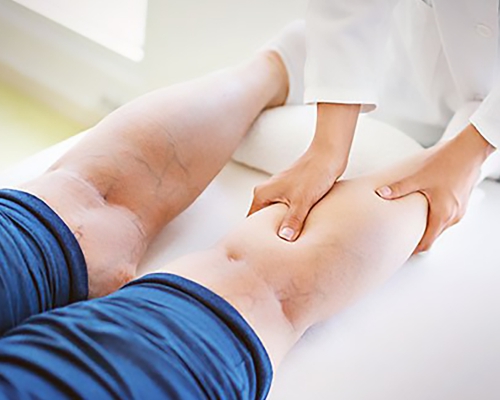
The primary diagnosis of varicose veins is usually done with a physical examination. After taking a careful look at the affected area, a doctor will further explore it to confirm varicose veins.
For the same, the doctor uses the following methods:
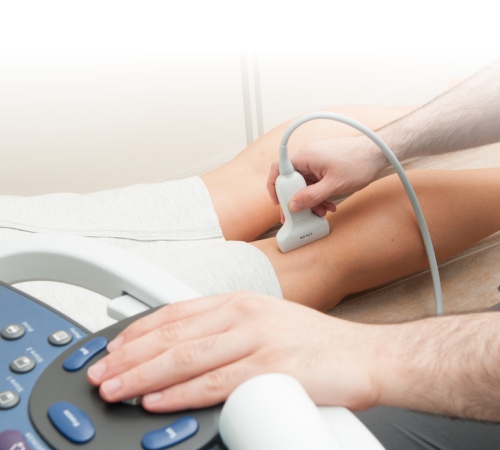
- Doppler Test: Test measuring the amount of blood flowing through the arteries and veins using high-frequency sound waves.
- Colour Duplex Ultrasound Scan: Combination of the traditional ultrasound and doppler test to measure the speed and other such as aspects of blood flow.
What are the treatment options for Varicose Veins?
There are two ways to go about treating varicose veins:
- Non-operative procedures which include adequate exercise, use of comfortable clothing, avoiding long hours of standing or sitting, and using compression stockings to manage blood flow.
- Operative procedures which provide long-lasting relief to varicose veins, such as:
- Subfascial endoscopic perforator surgery: Minimal access surgery and best alternative to open surgery. Process uses small incisions and ties up the affected veins using an operating scope.
- Sclerotherapy: Useful for treating small and medium varicose veins
- Laser Treatments: Effective in treating smaller varicose veins and spider veins.
Endovenous Laser Ablation (EVLA): Treatment for Varicose Veins
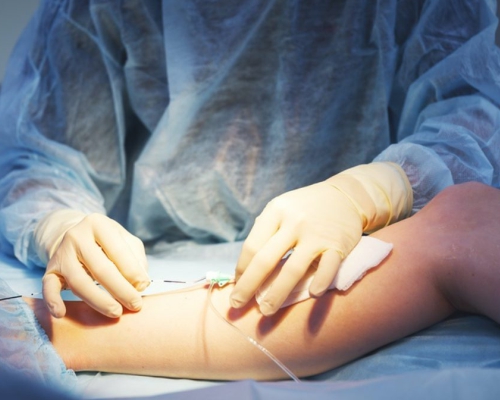
One of the latest methods to treat varicose veins, the Endovenous Laser Ablation (EVLA) uses a radial laser probe for its operation. In this treatment, the doctor inserts the radial laser probe into the affected veins. The heat from the laser ablates the walls of the veins, resulting in the destruction of the abnormal veins and absorption of the dead tissue.
While any superficial vein may be varicosed, but the veins most affected are those in your legs, especially if you are prone to standing for long hours. This can increase the pressure on the veins in the lower body.
Laser Treatment vs Surgery
Main Feature
- Anesthesia
- Patient Hospital Stay
- Pain (Post-Operative)
- Recovery Time
- Relapse Risk
- Complications
- Treatment Through
- Collateral Damage
- Area Of Treatment
- Treatment Of perforators
- Portability Of Machine
- Technology/Concept
Laser
- LA
- Day Care
- Low
- 3 days
- Low
- Low
- Laser (Pin Hole Surgery)
- Least
- cm Energy Delivered
- Yes
- Very Much (2.5kg)
- Latest
Surgical Procedure
- GS
- 3-7 Days
- High
- 10 days
- High
- High
- RF Machine
- Very High
- 7cm Energy Delivered
- No
- Less(15kg abd above)
- Old
Things you should know about EVLA
What are the factors causing varicose veins?
- Heredity
- Standing for long hours.
- Excessive body weight.
- Hormonal changes.
- Birth control medication .
- Tissue lumps.
- Constipation .
- Injuries.
- Past medical complications.
What are the precautions I should take before and after the procedure?
Before the surgery, perform the following actions:
- Wear compression stockings.
- Follow the dietary restrictions.
- Drink adequate water.
- Avoid tea, coffee and other such caffeinated beverages.
- Refrain from applying lotions before the surgery.
After the surgery, perform the following actions:
- Remove the compression stockings .
- Follow the exercise and diet regiment as prescribed by the doctor.
- Start swimming and hot tub bathing after consulting with the doctor.
What are some of the myths related to varicose veins?
- Varicose veins are caused by daily usage of high heels.
- Varicose veins are minor condition with no further serious complications.
- Varicose veins are caused by sitting cross-legged.
- Varicose veins treatment is expensive.
What are the risk factors of varicose veins?
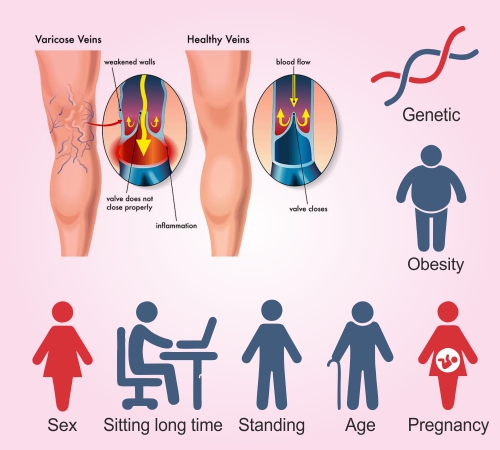
- Age: Aging causes wear and tear in the veins which may eventually lead to cause some blood to flow back to veins leading to varicose veins.
- Gender: Women are more prone to varicose veins than men. Hormonal changes during pregnancy, menstruation, and menopause may accelerate the process of varicose veins because the female hormones tend to relax the vein walls.
- Pregnancy: The volume of the blood increases during pregnancy. This may cause pressure on the veins in the legs as they are already bearing the weight of the growing foetus. The hormonal changes during pregnancy also tend to increase the risk of varicose veins.
- Family history: If any parents have had varicose veins, then there is a high chance that you may also experience the same condition.
- Obesity: Increasing weight adds more pressure on the veins in the legs, thus resulting in varicose veins.
- Long hours of continuous sitting or standing: A single continuous posture for a long time affects the blood flow and can cause varicose veins.
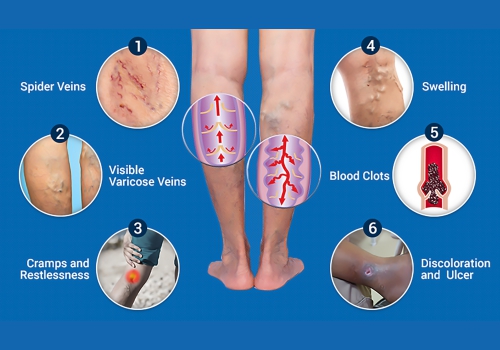
What complications can varicose veins cause?
- Ulcers : Varicose veins may lead to the development of ulcers, usually around ankles. The most common symptom of a developing ulcer is skin discoloration. Contact the doctor immediately if you spot one.
- Blood clots : Veins deep within the legs may become enlarged causing tremendous pain and swelling. This happens due to a blood clot also known as thrombophlebitis.
- Bleeding: Occasionally, due to too much pressure on the veins, there is possibility that the veins may burst and cause minor bleeding. But this minor bleeding should not be ignored.
Is it possible to avoid varicose veins?
Yes. With the help of a healthy lifestyle, it is possible to avoid – or delay – the occurrence of varicose veins. To achieve the same, you should inculcate the following habits:
- Regular exercise
- Weight control
- High fibre and low salt diet.
- Changing the position on a regular basis.
- Elevating the legs.
Things you should know about EVLA
- Dark purple or blue veins
- Twisted or bulging veins (veins that looks like ropes in the body)
- Achy or heavy feeling in the legs particularly in the evenings
- Burning, throbbing, cramping and swelling in your lower legs
- Worsening pain from sitting or standing after a long time
- Itching around the affected veins
- Skin discoloration around the affected vein
Apart from the common types of fistula – Anal and Urinary tract, there are many more types of fistula depending on the organs they affect:
- Heredity
- Standing for long hours
- Excessive body weight
- Hormonal changes
- Birth control medication
- Tissue lumps
- Constipation
- Injuries
- Past medical complications
Before the surgery, perform the following actions:
- Wear compression stockings
- Follow the dietary restrictions
- Drink adequate water
- Avoid tea, coffee or other caffeinated beverages
- Refrain from applying lotions before the surgery
After the surgery, perform the following actions:
- Remove the compression stockings
- Follow the exercise and diet regiment as prescribed by the doctor
- Start swimming and hot tub bathing after consulting with the doctor
- Varicose veins are caused by daily usage of high heels
- Varicose veins are minor condition with no further serious complications
- Varicose veins are caused by sitting cross-legged
- Varicose veins treatment is expensive
- Age: Risk of varicose veins increases with age. Aging causes wear and tear in the veins which may eventually lead to cause some blood to flow back to veins leading to varicose veins
- Gender: Women are more prone to varicose veins than men. Hormonal changes during pregnancy, menstruation, and menopause may accelerate the process of varicose veins because the female hormones tend to relax the vein walls.
- Pregnancy: The volume of the blood increases during pregnancy. This may cause pressure on the veins in the legs as they are already bearing the weight of the growing foetus. The hormonal changes during pregnancy also tend to increase the risk of varicose veins.
- Family history: If any parents have had varicose veins, then there is a high chance that you may also experience the same condition.
- Obesity: Increasing weight adds more pressure on the veins in the legs, thus resulting in varicose veins.
- Long hours of continuous sitting or standing: A single continuous posture for a long time affects the blood flow and can cause varicose veins.
- Ulcers: Varicose veins may lead to the development of ulcers, usually around ankles. The most common symptom of a developing ulcer is skin discoloration. Contact the doctor immediately if you spot one.
- Blood clots: Veins deep within the legs may become enlarged causing tremendous pain and swelling. This happens due to a blood clot also known as thrombophlebitis.
- Bleeding: Occasionally, due to too much pressure on the veins, there is possibility that the veins may burst and cause minor bleeding. But this minor bleeding should not be ignored.
Yes. With the help of a healthy lifestyle, it is possible to avoid – or delay – the occurrence of varicose veins. To achieve the same, you should inculcate the following habits:
- Regular exercise
- Weight control
- High fibre and low salt diet
- Changing the position on a regular basis
- Elevating the legs