
Advance Care Centre For Fistula
What is Fistula ?
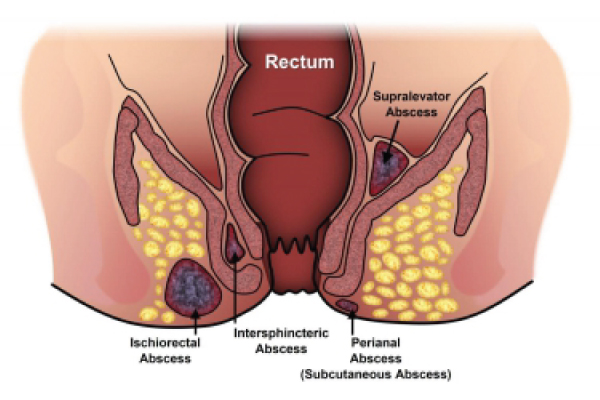
An anal fistula is the infected tunnel between the skin and the anus. Most anal fistulas occur due to an infection in the anal gland which then spreads to the skin.
The anus consists of several glands that produce a lot of fluids as a part of their functioning. Sometimes, these glands get blocked or clogged, leading to a bacterial build-up. This infection can create a swollen pocket of infected tissue and liquid. The clinical term for this swollen pocket is abscess.
Left untreated, this abscess can grow and eventually makes its way towards the anus by punching a hole in the skin around it. As a result, the infected fluids drain into the anus causing severe pain and discomfort.
What are the most common symptoms of fistula?
- Pain, redness and swelling around your anus
- Fever and chills
- Severe fatigue
- Discomfort while sitting
- Pricking throughout the anal region
- Painful bowel movements
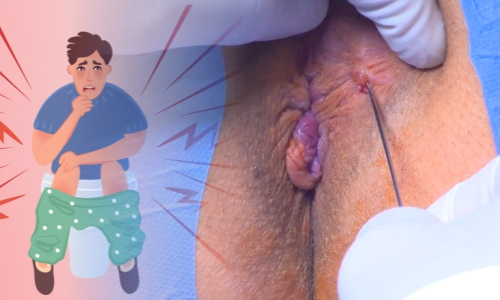
- Crack or hole of fistula on the skin
Treating Fistula at Eravio
At Eravio, we have the best proctologist who are expert at using the latest technology to treat fistula with extreme precision. The doctors determine the depth of the fistula to understand the severity of the situation. With this information, the doctors use the radial Photoniccs Laser to treat fistula.
In this treatment, the doctor inserts the radial fibre into the fistula tract which emits laser energy to dissolve the infect tissue. It also prevents the relapse of the infection.
Laser Treatment vs Surgery
Main Feature
- Anaesthesia
- Patient Hospital Stay
- Post-Operative Pain
- Recovery Time
- Recurrence
- Complications
- Invasiveness
- Procedure Duration
Laser
- Local Anaesthesia
- Day care procedure
- Low
- 1-3 days
- Low
- Low
- No Sutures
- Short
Surgical Procedure
- General Anaesthesia
- 3 to 7 days
- High
- 7-15 days
- High
- High
- Sutures Required
- Long
Causes of Fistula
- Irritable bowel syndrome
- Diverticulitis
- Ulcerative colitis
- Crohn’s disease
- Growth of painful ulcers
- Past medical complications
Diagnosing Fistula
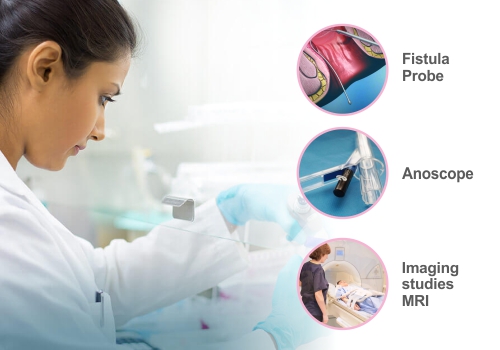
At Eravio, we have many methods to detect and diagnose the fistula:
- Fistula Probe: A long thin probe guided through the outer openings of fistula. A special dye may be injected to find out where the fistula opens up on the inside.
- Anoscope: Special scope to look inside your anal canal
- Imaging studies: Including ultrasound (image of anal canal using sound waves) or MRI.
Types of Fistula
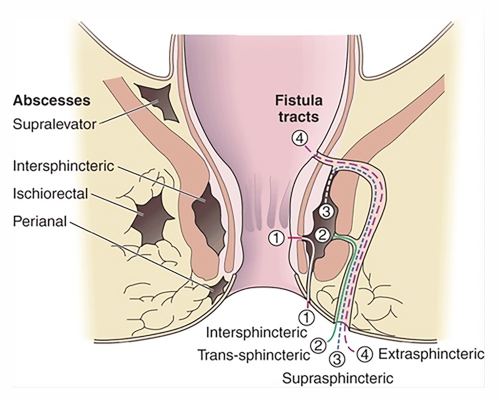
Apart from the common types of fistula – Anal and Urinary tract, there are many more types of fistula depending on the organs they affect:
- Intersphincteric fistula.
- Transphincteric fistula
- Suprasphincteric fistula
- Extrasphincteric fistula
What are the precautions I should take before and after the procedure?
Before the surgery, perform the following actions:
- Use the prescribed lotions or creams.
- Consume healthy fibre-rich diet.
- Increase the fluid intake to regulate the bowel movements.
- Do not apply too much force while passing stool.

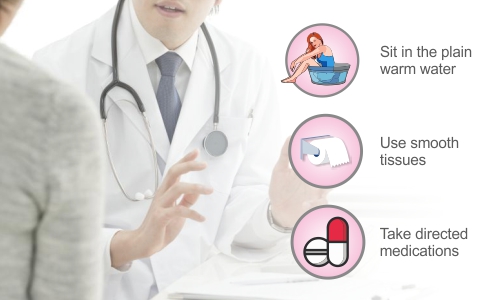
After the surgery, perform the following actions:
- Follow all of the doctor’s instructions.
- Carry out the instructions.
- Use Sitz bath after bowel discharge.
- Use soft tissues or wipes.
- Consume healthy fibre-rich diet.
Why Eravio for treating Fistula?
Advanced diagnostic tools
Advanced diagnostic tools
Cutting edge laser technology
Advanced diagnostic tools
Day care procedure
Advanced diagnostic tools
Things you should know about Fistula
- Irritable bowel syndrome
- Diverticulitis
- Ulcerative colitis
- Crohn’s disease
- Growth of painful ulcers
- Past medical complications
Apart from the common types of fistula – Anal and Urinary tract, there are many more types of fistula depending on the organs they affect:
- Intersphincteric fistula
- Transphincteric fistula
- Suprasphincteric fistula
- Extrasphincteric fistula
Before the surgery, perform the following actions:
- Use the prescribed lotions or creams
- Consume healthy fibre-rich diet
- Increase the fluid intake to regulate the bowel movements
- Do not apply too much force while passing stool
After the surgery, perform the following actions:
- Follow all of the doctor’s instructions
- Carry out the instructions
- Use Sitz bath after bowel discharge
- Use soft tissues or wipes
- Consume healthy fibre-rich diet