
Advance Care Centre For Fissure
What are fissures?
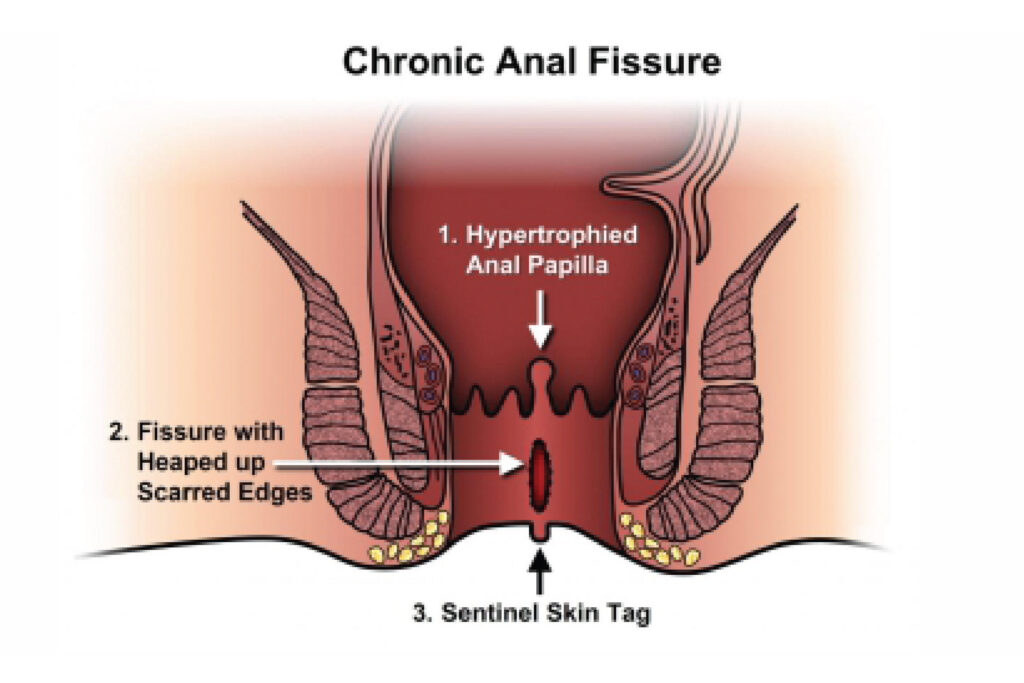
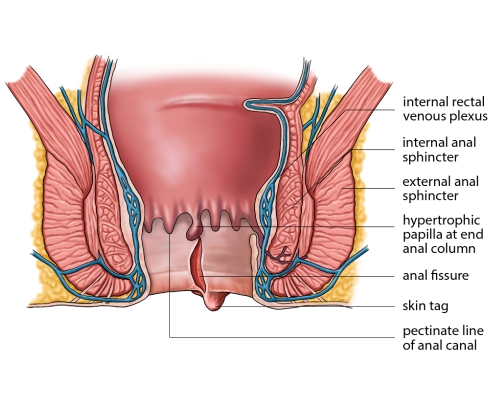
Fissures are long cuts or a prolonged opening in the anal region. This openings or cuts can cause severe pain during bowel movements. Both men and women suffer from this. Usually, fissures occur on the midline behind the anal canal.
Anal fissures develop at the front or the on the back side. There are two types of anal fissures:
- Acute fissures: Abruptly appearing cracks
- Chronic fissures: Slowly developing cuts or cracks
What are the most common symptoms of fissures?
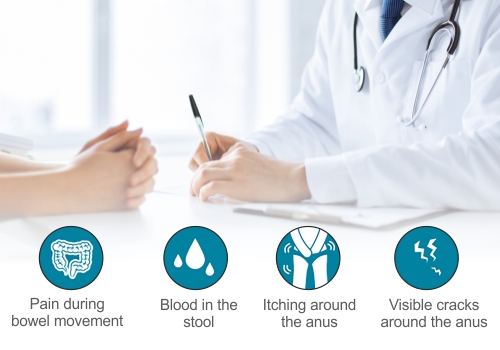
- Bleeding
- Cutting, burning or tearing sensation while passing stool
- Severe and long-lasting pain in rectal area
- Discoloration of stool due to bleeding
- Hole or crack near the anus
- Patches or lumps near the fissure
Causes of fissures
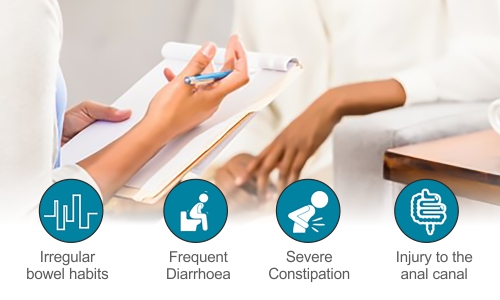
- Damage to the anal region due to instruments.
- Widening or splitting of the anal ring due to hard stool discharge.
- Reduced blood supply to the anal region leads to slow healing.
- Constipation
- Diarrhoea
- Pregnancy and childbirth
- Diseases such as Crohn’s disease, Ulcerative Colitis, or Anal Infections.
Anal fissures develop at the front or the on the back side. There are two types of anal fissures:
- Acute fissures: Abruptly appearing cracks
- Chronic fissures: Slowly developing cuts or cracks
Treatments for Fissure
When it comes to treating fissures, there are two ways to go about it:
- Non-operative
- Operative
The non-operative methods of treating fissures include home remedies or medication prescribed by the doctors. Usually, this is the first step to treat fissure and evaluate the severity of the condition. Some of the non-operative methods include:
- Stool softeners or stool thinners
- Increase water intake and fibre-rich diet
- Warm water wash for pain relief and improved water flow
- Topical treatment such as creams to the anus to enhance blood flow
- Injectable agents to inhibit cracks formed in the anus
However, sometimes the fissures are too severe to be cured by non-operative methods. In such situations, surgery remains the last option. But, surgery is no longer a matter of worry. Eravio Hospital uses the latest laser technology and equipment to treat fissures in the most minimal manner. This technique is called the Laser Sphincterotomy.
Laser Sphincterotomy for treating fissures
Performed under LA or GA, laser sphincterotomy involves the surgeon making a tiny incision in the internal anal sphincter to release the tension on the sphincter. The surgeon then inserts the laser diode in the incision. The laser diode emits laser energy in a radial fashion leading to the dilation of the muscle and reduction of spasm.
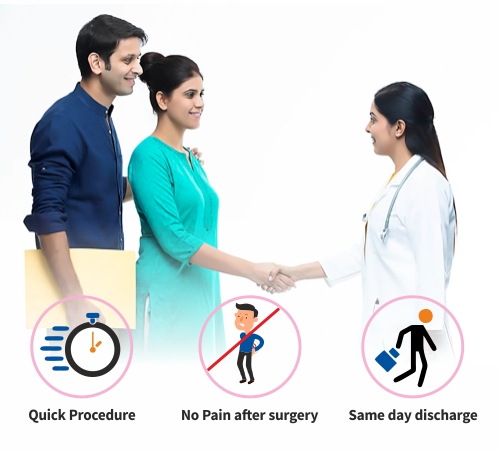
The procedure is bloodless, painless and results in the quick recovery. You may even walk back to your regular routine after the procedure.
Other advantages of the treatments include:
- High success rate
- Low recurrence rate
- Quick procedure
- Minimally invasive
- Minimal blood loss and minimal pain
- Instant relief from the symptoms
- Outpatient procedure performed under anaesthesia
- Quick recovery (1 to 3 days)
- Surgically precise
Laser Treatment vs Surgery
Main Feature
- Anaesthesia
- Patient Hospital Stay
- Post-Operative Pain
- Recovery Time
- Recurrence
- Complications
Laser
- Local Anaesthesia/General Anaesthesia
- 24 Hours
- Low
- 3 days
- Low
- Low
Surgical Procedure
- General Anaesthesia
- 3 to 7 days
- High
- 7-15 days
- High
- High
What are the precautions I should take before and after the procedure?
Before the surgery, perform the following actions:
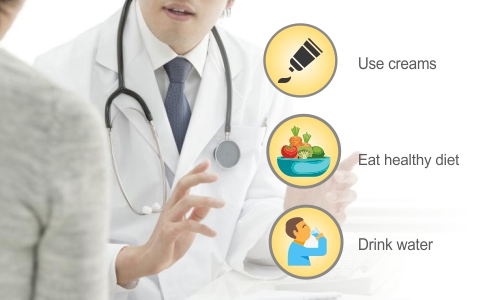
- Use the prescribed lotions or creams.
- Eat healthy and fibrous diet
- Increase the intake of fluid to regulate the stooling .
- Do not push too hard while passing stool.
After the surgery, perform the following actions:
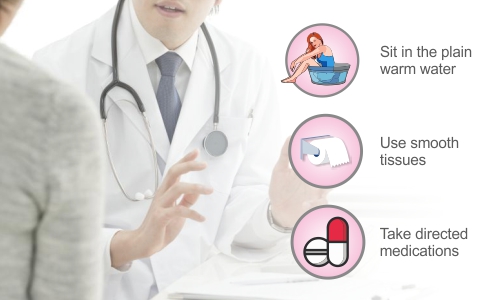
- Take the prescribed medication .
- Make gradual and light movements like walking.
- Sit in plain warm water few times in a day .
- Try to stick to a schedule when it comes to bowel movements.
- Do not rub the anal area too rigorously.
- Do not add any chemicals like Dettol to the water.
- Do not add any chemicals like Dettol to the water.
What are the common causes of fissure?
- Damage to the anal region due to instruments
- Widening or splitting of the anal ring due to hard stool discharge
- Reduced blood supply to the anal region leads to slow healing
- Constipation
- Diarrhoea
- Pregnancy and childbirth
- Diseases such as Crohn’s disease, Ulcerative Colitis, or Anal Infections
Before the surgery, follow these points:
- Use the prescribed lotions or creams
- Eat healthy and fibrous diet
- Increase the intake of fluid to regulate the stooling
- Do not push too hard while passing stool
After the surgery, follow these precautions:
- Take the prescribed medication
- Make gradual and light movements like walking
- Sit in plain warm water few times in a day
- Try to stick to a schedule when it comes to bowel movements
- Do not rub the anal area too rigorously
- Do not add any chemicals to the water