Patellar tendinopathy is the condition where the tissue connecting the knee joint to the shin bone (the patella). The patellar tendon helps the muscles extend the knee.
This condition is common in young athletes between 15 and 30 years old, especially men, who jump frequently such as basketball players, volleyball players, high jump athletes, and so on. However, it doesn’t mean that non-players are exempt from this condition.
Symptoms of patellar tendinopathy
The most common symptom of patellar tendinopathy is the pain between your kneecap and where the tendon attaches to your shinbone.
While initially the pain only begins in the knee after an intense workout, it spreads to the rest of the leg interfering with daily activities such as climbing stairs or getting up from the chair.
Diagnosing patellar tendinopathy at Eravio
You can try getting some relief from the knee pain using some home remedies such as icing the area and refraining from intense physical activity. However, if you spot any swelling or inflammation at the joint, you must immediately consult a doctor.
At Eravio hospital, the doctors will go through your entire case history and discuss the source of your injury. They will also ask you get an X-ray of the affected patella. Using the X-ray, the doctors will determine the extent of harm caused to the patella, and then decide the course of treatment.
Treating patellar tendinopathy with Low-Level Laser Therapy (LLLT)
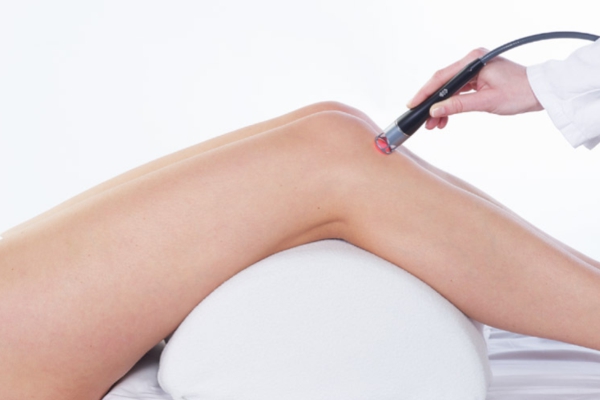
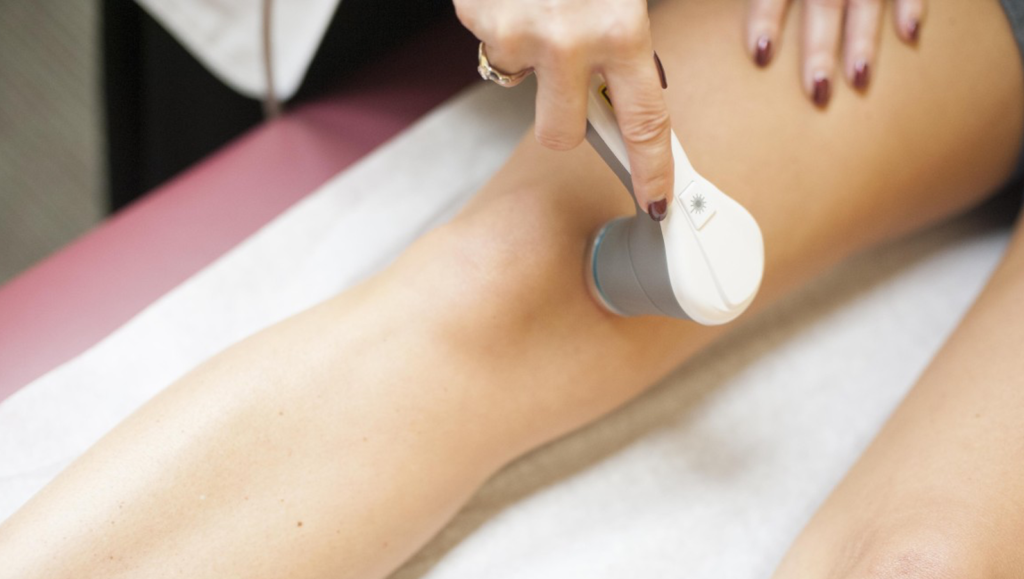
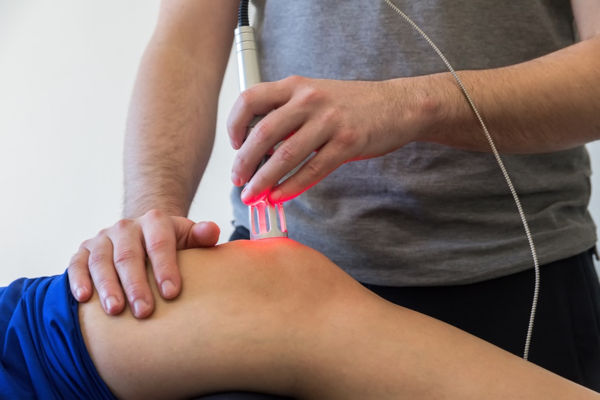
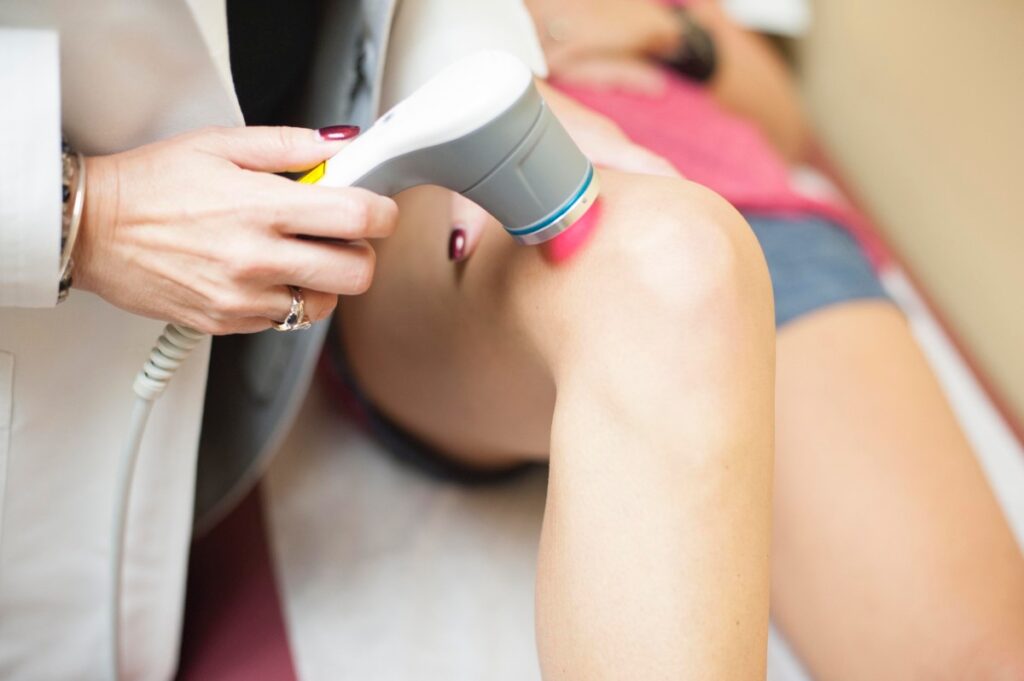
At Eravio Hospital, we use a Photoniccs Laser Smart M 980 nm, a low-level laser diode, to treat patellar tendinopathy in a non-invasive manner.
The procedure is as follows:
The doctor places infra-red laser diode powered at low intensity (980 nm) at the kneecap where it pain.
The photons from the laser energy enter the mitochondria of the cells in the affected tissue.
The energy from the photons powers the mitochondria, allowing them to heal themselves. This reduces the inflammation and the resulting pain.
Apart from the therapy, the doctors will advise you to avoid pain-inducing postures such as sitting in Indian style, avoid too much action with the knee, and gently exercise the joint.
Benefits of LLLT for treating patellar tendinopathy
Non-invasive therapy.
Quick recovery.
No scarring.
No adverse effects.
Lesser risk of recurrence if proper care is taken.